

Tin vs Aluminum Packaging: How to Compare Sustainability and Product Fit
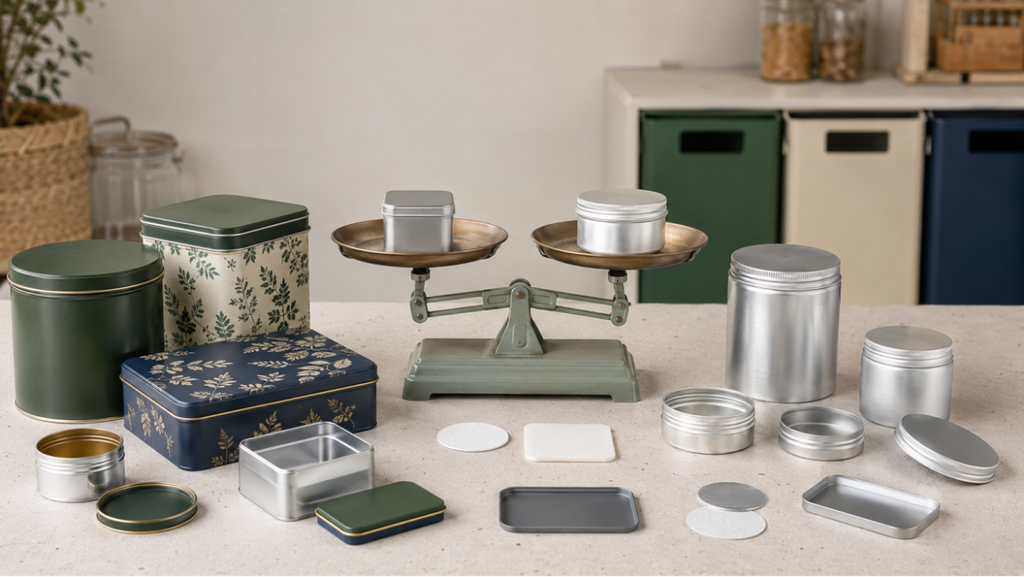
Tin and aluminum are both widely used packaging metals, but choosing between them is not a one-line sustainability decision. The impact of a pack depends on material source, mass, manufacturing route, decoration, product protection, transport, reuse, collection, sorting, and recycling in the markets where it is sold.
A credible comparison starts with the same product and functional requirements. This guide shows how to compare tinplate and aluminium packaging without relying on broad claims such as “infinitely recyclable,” “zero waste,” or “always greener.” Those statements may ignore losses, local infrastructure, or differences between the two proposed packages.
Define Equal Packaging Performance
Before comparing materials, define the packed product, internal volume, protection, closure, shelf life, decoration, distribution, and consumer use. A heavier reusable gift tin and a lightweight disposable jar do different jobs. Comparing only kilograms of material can reward a package that fails to protect the product or meet the brand objective.
Use a functional unit such as “one package delivering the required quantity of product through the specified supply chain.” Then compare actual design proposals under the same assumptions.
Tinplate and Aluminum Have Different Design Strengths
The right structure may reduce material, eliminate an insert, improve case packing, or protect the product better. Those system effects can matter more than a generic material preference.
| Factor | Tinplate packaging | Aluminum packaging |
| Material basis | Steel sheet with tin coating and surface treatments | Aluminum alloy formed for the selected structure |
| Common shapes | Broad round, square, rectangular, and novelty range | Often round or cylindrical; process-dependent |
| Decoration | Large printable surfaces, metallic effects, embossing | Printing, coating, labels, embossing subject to process |
| Weight | Strong steel base; optimize gauge and geometry | Low-density metal; compare actual pack mass |
| Reuse cue | Durable gift and storage formats are common | Lightweight repeated-use jars and tins are possible |
Recycling Depends on the Market
Steel and aluminum are valuable recycling streams, but collection rules, sorting equipment, contamination limits, composite components, and consumer behavior vary by country and municipality. A metal body with a plastic window, foam insert, adhesive label, or mixed-material liner may require separation instructions.
Use market-specific recycling language and avoid claiming that a package will be recycled simply because the material can be recycled. Provide clear disposal guidance where the components are separable and local programs support them.
Consider Product Protection and Food Waste
Packaging exists to deliver a usable product. If a stronger tin, better inner barrier, or more suitable closure reduces damage or spoilage, that benefit belongs in the sustainability assessment. Conversely, excess headspace, unnecessary inserts, and oversized gift packaging add material and shipping volume without protecting more product.
For foods, the food-grade tin packaging guide [Internal Link] explains why the metal shell, coating, lid, liner, and inner barrier must be considered together.
Use a Practical Sustainability Checklist
ShingWah’s custom metal packaging options [Internal Link] allow buyers to compare shape and closure before locking the material decision. A clear brief makes the sustainability comparison more meaningful.
- Compare actual pack weight and component count for equal product delivery.
- Measure units per case and pallet plus damage rates in the chosen channel.
- Document recycled-content or sourcing claims with supplier evidence.
- Check collection and sorting guidance in the countries where the pack is sold.
- Design components for easy separation when mixed materials are necessary.
- Use credible reuse scenarios based on size, graphics, closure, and customer behavior.
- Update claims when material, supplier, market, or regulation changes.
Frequently Asked Questions
Is tin or aluminum more sustainable?
Neither is universally better. Compare the actual packages by mass, source, manufacturing, product protection, transport, reuse, and market-specific recycling.
Are metal packages recyclable?
Steel and aluminum are recyclable materials, but actual recycling depends on local collection, sorting, contamination, and component design. Use market-specific guidance.
Does a reusable tin reduce impact?
It can when customers actually reuse it enough to offset added material and when reuse does not create other burdens. Design for a credible second use and avoid assuming universal behavior.
Conclusion
Tin vs aluminum packaging is a design comparison, not a material slogan. Match functional performance first, compare the actual pack and supply chain, verify market recycling, and communicate claims with evidence and appropriate limits.
For a structure and material review, contact ShingWah Tins [Internal Link] with the product, quantity, target market, closure, decoration, channel, and sustainability priorities.
Technical note: Product-contact, barrier, shelf-life, child-resistance, recyclability, regulatory, and performance claims must be verified for the exact packaging system and target market.
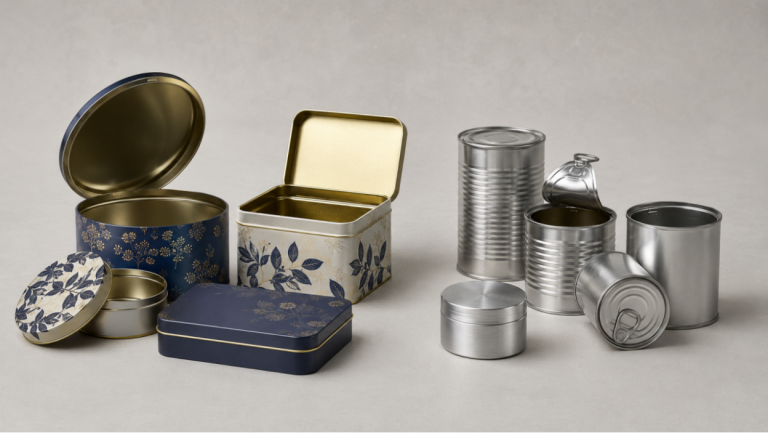
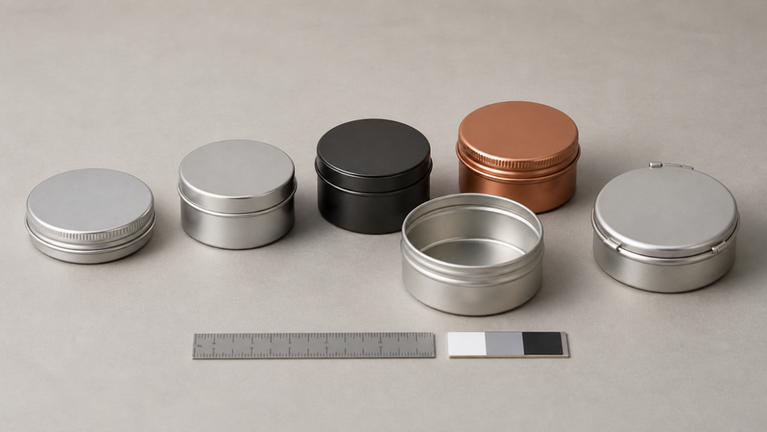

![Aluminum jars and tin containers are often selected for eco packaging because they are durable, highly visible as metal, and compatible with recycling systems in many markets. Those strengths are real, but a responsible design still needs to minimize unnecessary material, protect the product, explain mixed components, and avoid promising that every customer will reuse or recycle the pack. This guide turns sustainability goals into practical packaging decisions. It focuses on lightweighting, reuse, refill concepts, closures, decoration, transport, and market-specific end-of-life communication rather than treating material choice as the only environmental question. Begin with a Clear Environmental Objective Choose one or two priorities that can be designed and measured: reduce pack mass, improve case utilization, remove an unnecessary insert, support a refill format, increase product protection, or make components easier to separate. A vague goal such as “make it greener” is difficult to translate into specifications. Keep the product function fixed while comparing options. A lighter container that increases damage, leakage, or spoilage may not improve the overall result. Lightweight the Complete Pack Aluminum’s low density can support lightweight small jars and tins, while tinplate’s strength and shape range can deliver efficient walls and rigid gift formats. The useful metric is the mass of the complete pack that performs the required job, including lid, liner, insert, label, sleeve, and shipping protection. Reduce headspace and oversizing before reducing wall strength. Optimized dimensions can improve units per carton and pallet while maintaining product fit. Any material or gauge change should be validated through forming, filling, and distribution tests. Design Reuse That Customers Can Believe Reuse should be treated as a program or a credible behavior, not a guaranteed outcome. If the brand offers refills, define how customers obtain them, how the container is cleaned, and how long the closure remains functional. Reuse design choice Why it helps What to avoid Useful size and proportion Fits common storage or travel needs Novel dimensions with no plausible second use Durable closure Supports repeated opening and keeps components together Loose lids or fragile decorative parts Evergreen graphics Makes the container acceptable after the product is gone Highly dated copy when long-term reuse is claimed Easy cleaning guidance Helps safe and realistic second use Unclear food or cosmetic reuse claims Refill compatibility Can reduce replacement packaging in a controlled system Refill claims without an available refill route Make Mixed Components Easy to Understand Liners, seals, windows, foam inserts, labels, and coatings may be necessary for product performance. Avoid removing a functional barrier only to create product waste. Instead, minimize the component, select it carefully, and make separation instructions clear where local recycling systems accept the materials. The comparison of tin vs aluminum packaging [Internal Link] provides a broader framework for market-specific recyclability, product protection, and evidence-based claims. Use Decoration Efficiently Metallic surfaces can reduce the need for simulated foil effects when the artwork intentionally reveals the substrate. Direct printing can integrate graphics with the pack; labels can support versioning or shorter runs. The lowest-impact option depends on production quantity, waste, changeovers, and the final design. Keep graphics useful after purchase if reuse is part of the strategy. The custom printed tins guide [Internal Link] helps organize artwork, safe zones, color, and proofing for formed metal packaging. Document Claims and Validate the Pack A practical eco friendly custom packaging brief should include measurable requirements and the evidence needed to support public claims. Keep that documentation with the final approved specification. •Record actual material and component weights for the approved design. •Verify supplier declarations for material, coatings, and any recycled-content claim. •Test product compatibility, closure, leakage or migration, filled-pack transit, and shelf life as applicable. •Check local recycling guidance in each target market before printing disposal claims. •Explain how to separate windows, liners, seals, or inserts when relevant. •Review sustainability language when the structure, supplier, or destination changes. Frequently Asked Questions Are aluminum jars eco friendly? They can support lightweight, reusable, and recyclable packaging designs, but the overall result depends on source, mass, product protection, transport, reuse, and local recycling. Should a brand choose refillable packaging? Refill works when there is a convenient refill supply, a durable container, clear cleaning and use guidance, and evidence that customers participate. A refillable-looking pack alone is not a refill system. Can metal packaging include plastic components? Yes when they serve a necessary function. Minimize them, choose compatible designs, and provide realistic separation and disposal guidance for target markets. Conclusion Aluminum jars and tin containers can support credible eco-packaging strategies when the brand optimizes the complete pack, protects the product, designs realistic reuse, and communicates end of life with market-specific evidence. For material, closure, and sample recommendations, contact ShingWah Tins [Internal Link] with the product, quantity, market, decoration, channel, and measurable sustainability goals. Technical note: Product-contact, barrier, shelf-life, child-resistance, recyclability, regulatory, and performance claims must be verified for the exact packaging system and target market.](https://shingwahtins.com/wp-content/uploads/2026/05/image-1-767x432.png)
2 Comments